

FAQs About Pet Surgery
Do you ever wonder what actually happens when your pet goes under the knife, or whether a lump really needs surgery? At Fremont Pet Hospital in Fremont, CA, we get those questions all the time, and make it our job to make pet surgery less mysterious and more manageable for pet owners. If you’ve been looking for a veterinarian near you or an animal hospital that demystifies the process, we’re here to answer your questions.
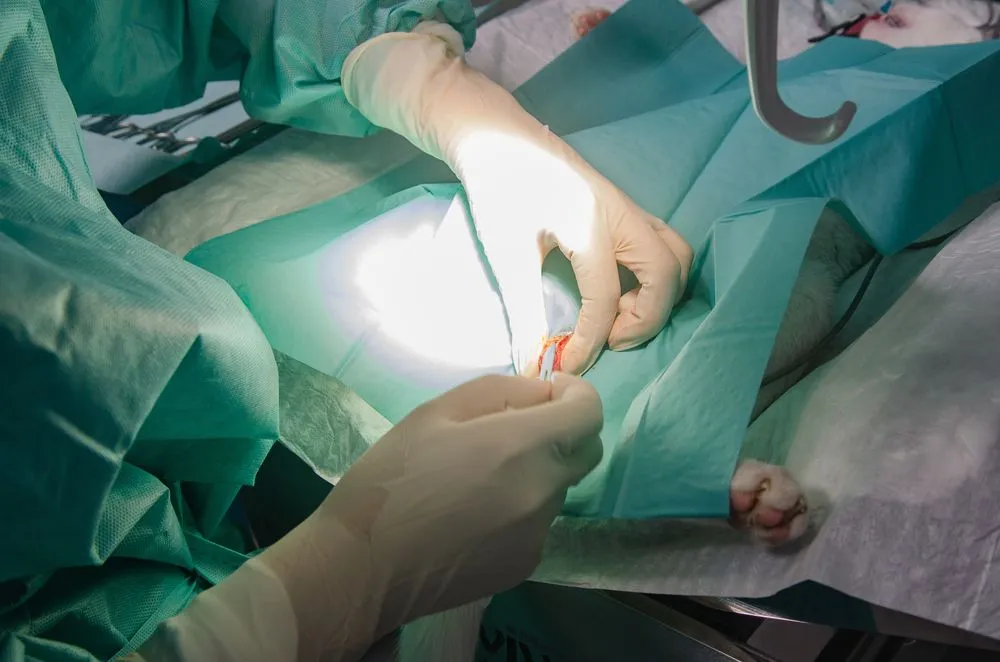
What Are The Different Types of Pet Surgery Procedures?
Our veterinary surgeons handle a variety of routine and specialized procedures for dogs and cats.
Common Surgeries Include:
● Spaying and Neutering – standard procedure for population control and long-term health benefits
● Soft-Tissue Surgeries – such as mass removals and wound repair
● Dental Extractions and Oral Surgery – because dental disease affects whole-body health
● Pet Cataracts Surgery – including dog cataracts surgery and cat cataracts surgery to restore vision when appropriate
Each procedure is planned with diagnostics, anesthesia monitoring, and recovery protocols that prioritize safety and comfort.
How Is Anesthesia Handled During Pet Surgery?
Anesthesia is often the scariest word for pet parents, but modern protocols ensure it’s safe. Pets always have a pre-operative exam, where bloodwork is evaluated to determine organ function. Individualized anesthetic plans are then chosen, and vital signs are continuously monitored. Risks are minimized through careful screening and attentive post-operative care at our vet hospital.
How Long Will My Pet Be Hospitalized After Surgery?
Length of stay entirely depends on the procedure. Many spay and neuter procedures are same-day surgeries with discharge later that afternoon. More complex surgeries, such as some dental procedures or cataract operations, may require overnight monitoring at the pet hospital to ensure pain control and recovery.
What Does Recovery and Follow-Up Care Look Like?
Recovery instructions are always provided for pet owners after surgery, detailing pain medication schedules, activity restrictions, incision care, and any signs of concern to look out for. Follow-up visits let your veterinarian check the incision, remove sutures if needed, and confirm healing. For surgeries like cataract repair, follow-up may include vision assessments and topical medications.
When Is Surgery Necessary For My Pet?
Some surgeries are urgent, such as a foreign-body removal or severe trauma, and require immediate attention from an emergency vet clinic. Others are elective but strongly recommended, like spaying, neutering, and removal of suspicious masses. Our vet near you will explain the risks and benefits so you can make informed choices.
Ready to talk about pet surgery at Fremont Pet Hospital?
If you have questions about spaying, neutering, pet cataract surgery, or another procedure, call Fremont Pet Hospital to schedule a consultation. Our veterinarian is here to explain options, outline risks, and help you decide the best path for your pet’s health. Call Fremont Pet Hospital today at (510) 651-3960 to arrange an appointment with a trusted pet hospital in Fremont, CA.